






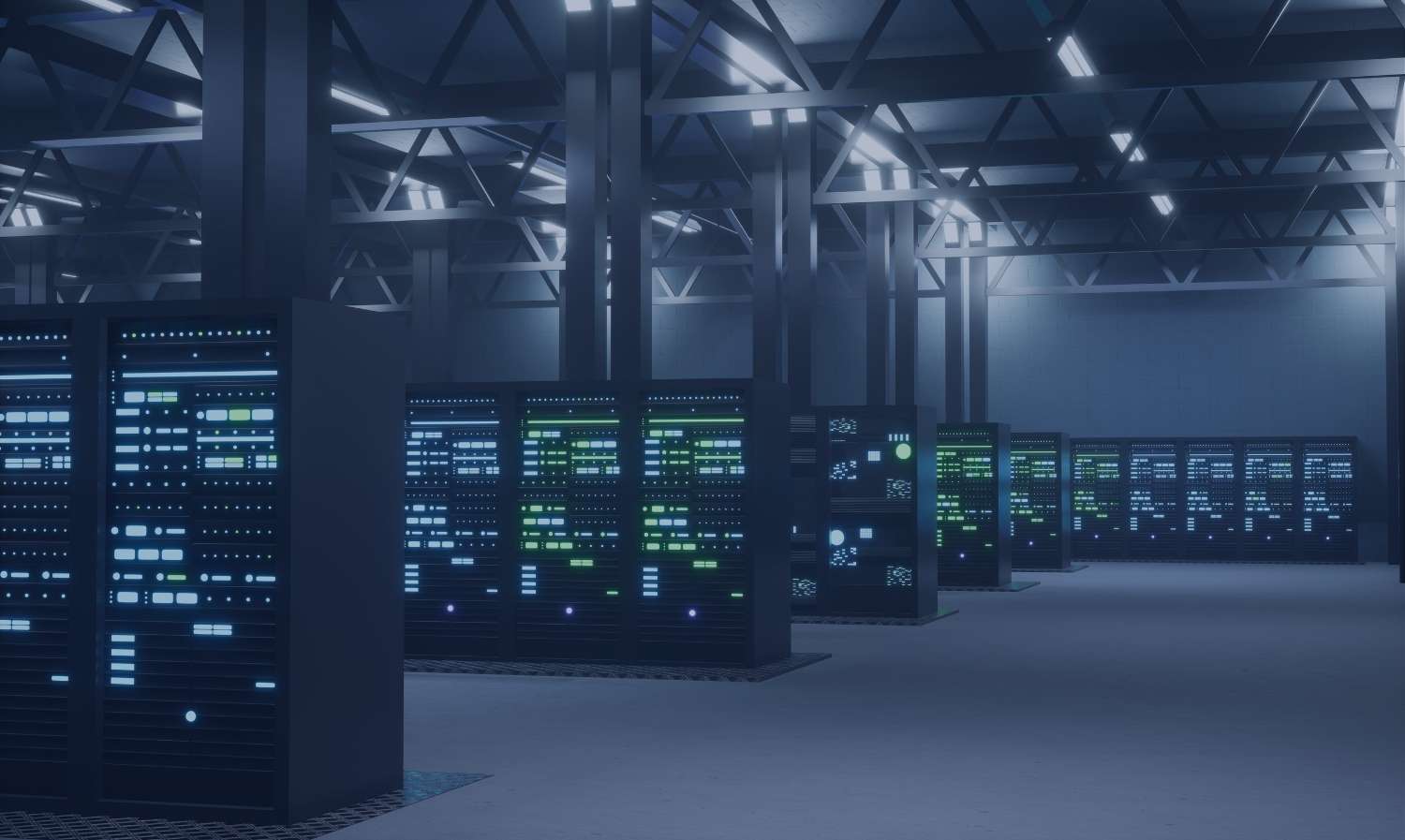
In today’s digital-first landscape, businesses depend heavily on IT infrastructure, with studies showing that 98% of organizations experience downtime due to IT issues each year, resulting in billions in lost revenue.
IT infrastructure management strategies refer to the structured processes, tools, and best practices used to monitor, maintain, and optimize servers, networks, storage, and critical IT systems to prevent failures and minimize downtime. As organizations continue to expand their technological footprint, efficient infrastructure management for minimizing downtime becomes critical.
Companies increasingly adopt cloud computing, artificial intelligence, and other emerging technologies, ensuring a resilient and scalable IT foundation becomes essential.
This comprehensive guide explores the strategies on IT service management strategies for SMBs, cover everything from system monitoring to security protocols, vendor management, and compliance standards.
IT infrastructure management strategies focus on maintaining, monitoring, and optimizing hardware, software, networks, and data storage to ensure operational efficiency, security, and scalability.
In simple terms, IT infrastructure management refers to the processes, tools, and practices used to manage IT infrastructure effectively across enterprise environments.
By 2028, the global IT infrastructure services market is expected to exceed $200 billion, driven by growing demand for cloud adoption, automation, and resilient enterprise systems.
What is an IT Infrastructure Management System?
IT infrastructure management processes involve the oversight, maintenance, and optimization of a company’s entire IT ecosystem, covering a broad spectrum of components like physical hardware, software applications, networks, and data centers. Its primary goal is to ensure that these interconnected systems function seamlessly, efficiently, and securely.
This IT management process encompasses the selection and deployment of hardware and software, asset and service configuration, continuous performance monitoring, and proactive maintenance.
A critical responsibility is to maximize uptime, minimize disruptions, and ensure that business applications remain consistently available and reliable.
IT infrastructure managers also focus on optimizing resource utilization, efficiently allocating computing power and storage to meet business demands. Furthermore, robust security measures are implemented to safeguard sensitive data and prevent unauthorized access to private enterprise applications, ultimately maintain the integrity and stability of the IT environment.
An IT infrastructure management system is a centralized approach used to manage IT infrastructure, monitor performance, and ensure reliability across hardware, software, and network environments.
It plays a critical role in enterprise IT infrastructure management by enabling organizations to streamline operations, improve uptime, and support scalable business infrastructure management.
Core Components of an IT Infrastructure Management System
A modern IT Infrastructure Management System is built on interconnected components that ensure stability, performance, and scalability across an organization’s technology ecosystem.
Effective IT infrastructure management processes typically include monitoring, asset management, network administration, security, data backup, and incident response, each playing a vital role in keeping systems resilient and operational.
When these components are aligned with IT infrastructure and operations best practices, businesses can proactively detect issues, optimize performance, and maintain seamless operations even as environments grow more complex.
These components represent the foundation of any comprehensive IT infrastructure management system, ensuring seamless coordination between infrastructure management processes and operations.
Modern IT Infrastructure - Key Takeaways
Up to 60% faster issue resolution with proactive monitoring
Stronger security and compliance through centralized infrastructure management
Automation reduces manual IT workload and operational risks
Key Components of IT Infrastructure Management
The key components of IT infrastructure management include hardware management, systems management, network management, and data storage management. These elements form the backbone of infrastructure management systems and ensure smooth IT operations.
Key Benefits of IT Infrastructure Management

Improved System Reliability and Uptime
Effective IT infrastructure management practices, such as proactive monitoring, routine maintenance, and structured problem management, significantly reduce downtime and disruptions with end-to-end disaster recovery services. These IT infrastructure enhancement strategies ensure systems remain stable, issues are resolved quickly, and services stay continuously available to support daily operations.

Optimized Resource Utilization and Cost Efficiency
A strong IT infrastructure management strategy helps organizations identify underutilized assets, right-size resources, and allocate capacity more effectively. This leads to lower operational costs through strategic IT cost optimization, improved efficiency, and smarter investments, ensuring infrastructure and operations best practices are consistently applied across the environment.

Enhanced Security and Risk Reduction
Cloud security for enterprise, including user access controls, data encryption, and regular vulnerability assessments, provides strong defenses against cyberattacks and data breaches. These best practices reduce organizational risk, protect sensitive information, and strengthen overall resilience.

Scalability to Support Business Growth
A well-managed IT infrastructure enables seamless expansion, whether it’s adding users, integrating new applications, or adopting emerging technologies. By maintaining scalable configurations and strategic capacity planning, businesses can support growth without compromising performance or stability. These benefits highlight why businesses invest in enterprise infrastructure management solutions to improve performance, reduce risks, and support long-term scalability.
See how a global pharma company modernized its IT operations to improve system reliability and operational efficiency.
- Reduced infrastructure downtime
- Centralized IT operations monitoring
- Improved performance across critical systems

Core IT Infrastructure Management Strategies
Effective IT infrastructure management strategies include proactive monitoring, automation, hybrid cloud adoption, infrastructure as code (IaC), security frameworks, and disaster recovery planning. These strategies help organizations manage IT infrastructure efficiently while ensuring scalability, security, and operational continuity.
Best IT Infrastructure Management Strategies
Strategic Alignment and Planning
A successful IT infrastructure management strategy begins with aligning technology investments to business goals and ensuring that infrastructure decisions directly support long-term organizational growth.
This requires proactive planning, robust governance, and clearly defined IT infrastructure and operations best practices that guide how systems are deployed, monitored, and optimized.
Well-architected cloud capacity planning also plays a critical role, helping businesses anticipate future demand, prevent performance bottlenecks, and avoid unnecessary spending.
When organizations adopt strategic alignment as a core discipline, they significantly improve operational resilience. Studies show companies with mature IT planning practices experience up to 40% fewer infrastructure-related disruptions.
A well-defined IT infrastructure strategy ensures alignment between business goals and technology investments while supporting long-term infrastructure lifecycle management best practices.
Proactive Monitoring and Maintenance
Proactive monitoring and maintenance are essential elements for successful IT infrastructure management. Relying solely on reactive troubleshooting can result in significant downtime and disruptions.
By continuously monitoring the cloud performance and health of IT systems, organizations can detect potential issues early, enabling timely intervention before they escalate into serious outages.
Incorporating both automation tools and manual oversight within asset and service configuration management is crucial. This approach ensures comprehensive tracking and optimization of all assets, both tangible and intangible.
Automated monitoring solutions gather data related to system performance, resource usage, and security metrics, allowing for trend analysis that can highlight irregularities. Regular system audits and vulnerability assessments help to uncover weaknesses within the IT infrastructure.
Focusing on proactive measures can significantly reduce downtime, enhance resource utilization, and extend the lifespan of IT equipment, ultimately leading to improved efficiency and cost savings while establishing a reliable IT framework.
Proactive monitoring is a core part of IT infrastructure maintenance, enabling organizations to manage IT infrastructure efficiently and reduce downtime through early issue detection.
Automation in IT Infrastructure Management
Leveraging automation is pivotal for enhancing the efficiency of IT infrastructure management tasks and workflows. Smart automation for streamlining IT workflows can take over repetitive, time-consuming processes, allowing IT personnel to concentrate on strategic initiatives. These tools can automate various functions, such as:
- Provisioning and Configuration: Automating the deployment and configuration of hardware and software saves valuable time compared to manual setups.
- Patch Management: This ensures timely updates to systems, addressing security vulnerabilities and bolstering stability.
- Software Updates: Automating the update process streamlines it, minimizing the chance of human errors.
- Performance Monitoring: Automated tools continually assess system health, facilitating early identification and resolution of issues.
- Backup and Recovery: Automated cloud backup solutions safeguard critical data and streamline access during disaster recovery scenarios.
Examples of automation tools used in IT infrastructure management include patch management tools that simplify downloading, testing, and deploying security updates, as well as monitoring and alerting tools that track performance and security metrics and notify teams when issues arise.
Additionally, orchestration tools help automating business workflows across multiple applications and tasks, improve operational efficiency, and reduce manual effort.
By effectively utilizing automation, teams can enhance the efficiency and accuracy of their management tasks, freeing IT staff to focus on higher-level objectives, thereby creating a more agile and responsive IT environment.
Automation plays a vital role in IT infrastructure optimization by reducing manual workload, improving consistency, and enhancing overall infrastructure management efficiency.
Configuration Management Best Practices
Configuration management involves the systematic provisioning and maintenance of IT systems to maintain a desired state. This practice ensures uniformity across various environments, reduces human error, and simplifies troubleshooting processes.
Configuration management tools define a system’s desired state covering software packages, user accounts, security settings, and more using centralized configuration files stored in a repository and applied to targeted systems.
For instance, an IT team may use a configuration management tool to guarantee that all web servers in a cluster operate with the same version of a web application and identical security settings.
This approach prevents inconsistencies that could lead to security vulnerabilities or application malfunctions. Additionally, configuration management automates the deployment of new software packages and security updates across systems, saving administrators considerable time and effort.
Configuration management supports infrastructure management systems by ensuring consistency, reducing errors, and simplifying software infrastructure management across environments.
Need More Than Basic IT Support?
Modern infrastructure strategies help businesses improve system reliability, scale workloads efficiently, and keep operations running without disruption.
Cloud Computing for IT Infrastructure Management
Cloud computing provides scalable, on-demand resources that enable businesses to access essential services like storage, computing power, and software applications without the need for physical hardware investments.
One of the primary advantages of cloud computing in modern IT infrastructure management is its scalability. Cloud resources can adapt in real-time to evolving business needs, allowing for quick and efficient adjustments to IT infrastructure in response to changing workloads and user demands.
However, transitioning IT infrastructure to a cloud-based IT infrastructure strategy requires careful planning and evaluation. Organizations must thoroughly assess their current infrastructure, security requirements, and workload demands, and select the right cloud service provider and model to align with their specific needs and budget.
Security considerations are paramount when migrating sensitive data to the cloud. Implementing robust security measures and encryption protocols is vital to safeguard data integrity and ensure compliance with regulatory standards.
By thoroughly assessing their requirements and implementing a strategic cloud adoption plan, companies can leverage cloud computing’s capabilities to enhance their IT service management, fostering a more agile and adaptable IT environment.
Cloud computing is a key enabler of modern infrastructure management solutions, allowing organizations to scale resources dynamically and support enterprise IT infrastructure management across global environments.
Virtualization for Resource Optimization
Virtualization is a groundbreaking technology that allows a single physical server to operate as multiple virtual machines. A software layer separates the underlying hardware resources from the operating systems and applications, such as CPU, memory, and storage. This enables the server to be partitioned into several virtual machines, each functioning as an independent computer with its own operating system and applications.
This technology significantly improves the utilization of hardware resources. Many physical servers operate at less-than-optimal capacity, wasting valuable processing power and memory. Virtualization allows organizations to consolidate workloads onto fewer physical servers, optimizing resource usage and decreasing the number of machines required. This leads to reduced physical footprint, lower energy expenses, and decreased hardware costs.
Additionally, virtualization simplifies IT infrastructure management by facilitating easier provisioning, deployment, and migration of virtual desktop environments. As these machines are portable and not tied to specific hardware, they can be easily relocated between servers for maintenance or load balancing, enhancing productivity for IT staff and streamlining management processes.
Virtualization improves hardware infrastructure management by maximizing resource utilization and enabling efficient infrastructure management in IT environments.
Disaster Recovery Planning and Business Continuity
Unexpected events such as natural disasters, cyberattacks, or power failures pose significant risks to business continuity. Disaster recovery planning is a critical component of IT infrastructure management strategy, ensuring a prompt and effective response to disruptions.
A well-structured disaster recovery plan delineates the procedures and protocols for restoring critical IT systems and data during a crisis, thus minimizing downtime, data loss, and the overall impact on business operations.
An effective disaster recovery strategy includes the following key steps:
Risk Assessment
Identifying potential threats and vulnerabilities that could impact IT infrastructure, evaluating each scenario’s likelihood and potential effects.
Business Impact Analysis (BIA)
Prioritizing essential business functions and determining acceptable downtime, which informs the recovery time and recovery point objectives for data backups.
Recovery Strategies
Outlining specific recovery methods for restoring critical systems and data across various scenarios based on the risk assessment and BIA.
Backup and Replication
Defining backup schedules, retention policies, and preferred backup locations (whether on-site, off-site, or cloud-based). Replication can create exact copies of critical data at a secondary site for quicker recovery.
Testing and Validation
Regularly simulating disaster scenarios and practicing recovery procedures to ensure the plan’s effectiveness and identify any weaknesses.
Disaster recovery is a critical aspect of infrastructure lifecycle management best practices, ensuring business continuity and minimizing disruptions in critical IT infrastructure management.
How to Manage IT Infrastructure Effectively
Organizations can manage IT infrastructure effectively by implementing proactive monitoring, automation, structured infrastructure management processes, and aligning IT infrastructure strategy with business goals. Using centralized infrastructure management solutions further improves efficiency and control.
Conclusion
As businesses increasingly rely on robust IT systems to drive their operations, implementing best practices such as proactive monitoring, automation, configuration management, and cloud computing becomes paramount. By prioritizing these strategies, organizations can enhance their operational efficiency, optimize resource allocation, and ensure the security and reliability of their IT infrastructure. Furthermore, effective disaster recovery planning not only mitigates risks but also prepares businesses to respond swiftly to unforeseen disruptions. By implementing IT infrastructure management strategies aligned with infrastructure and operations best practices, organizations can build resilient, scalable, and efficient IT environments.
Planning Your Infrastructure Modernization?
FAQs
What is IT infrastructure management?
IT infrastructure management refers to the processes and systems used to monitor, maintain, and optimize an organization’s hardware, software, networks, and data environments. It ensures that all technology components operate efficiently and reliably to support business operations.
Why is IT infrastructure management important for businesses?
Effective infrastructure management minimizes downtime, improves system performance, and ensures business continuity. It also helps organizations control costs, strengthen security, and support long-term scalability.
What are the key components of IT infrastructure management?
Core components include network management, server and storage management, security, performance monitoring, incident/problem management, and disaster recovery planning. Together, these elements create a cohesive system that maintains stability and efficiency across the IT landscape.
What are common IT infrastructure management strategies?
Common strategies include proactive monitoring, automation, capacity planning, standardization, and alignment with business goals. These approaches help organizations prevent issues, optimize resources, and follow IT infrastructure and operations best practices.
How does IT infrastructure management reduce downtime?
By continuously monitoring systems, identifying risks early, and performing preventive maintenance, infrastructure management helps avoid failures before they impact operations. Root-cause analysis and rapid incident response also shorten recovery times.
How do businesses manage IT infrastructure effectively?
Businesses use structured processes like ITIL, automation tools for monitoring and patching, and centralized management platforms to streamline operations. Clear policies, skilled teams, and regular audits further ensure consistent, reliable performance.
What is the role of cloud computing in IT infrastructure management?
Cloud computing enhances infrastructure management by offering scalable resources, automated services, and built-in redundancy. It reduces hardware overhead, improves agility, and enables remote management through centralized cloud platforms.
What are the best practices for IT infrastructure management?
Best practices include proactive monitoring, automation, configuration management, cloud adoption, and disaster recovery planning to ensure reliability and scalability.
What are common challenges in IT infrastructure management?
Common challenges include downtime risks, lack of visibility, security vulnerabilities, cost inefficiencies, and managing complex hybrid environments.
